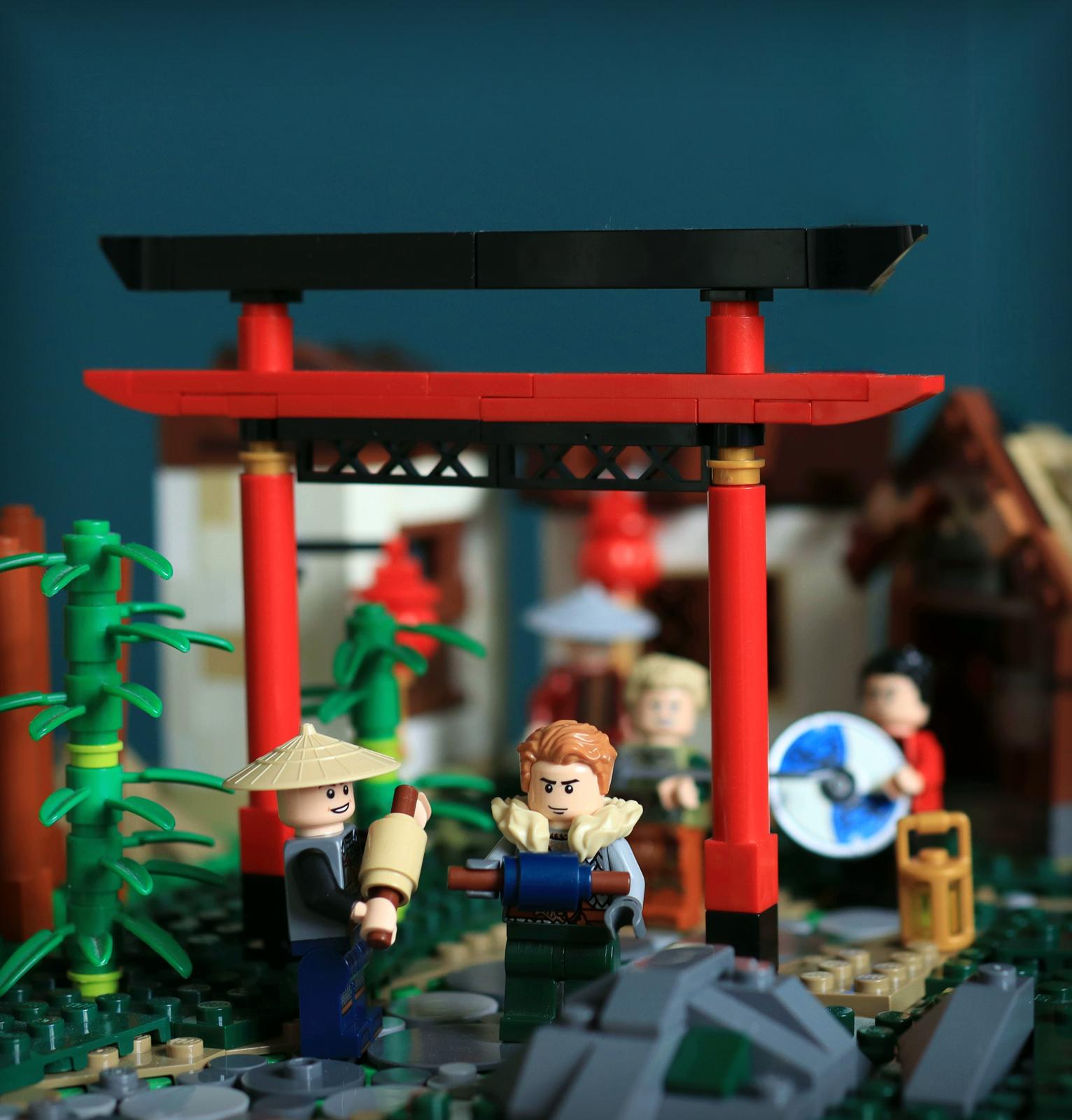
The Norsemen's journey is one of relentless exploration, resilience, and cultural exchange. From their northern homelands, they venture across continents toward distant horizons, driven by the promise of trade and discovery. Along the way, each stop, whether city, mountain, or desert, poses its own challenges and rewards. More than a mere path of trade, their expedition reveals the transformative power of the road itself: testing their limits, broadening their understanding, and shaping their story as they navigate the Silk Road to reach the heart of China.
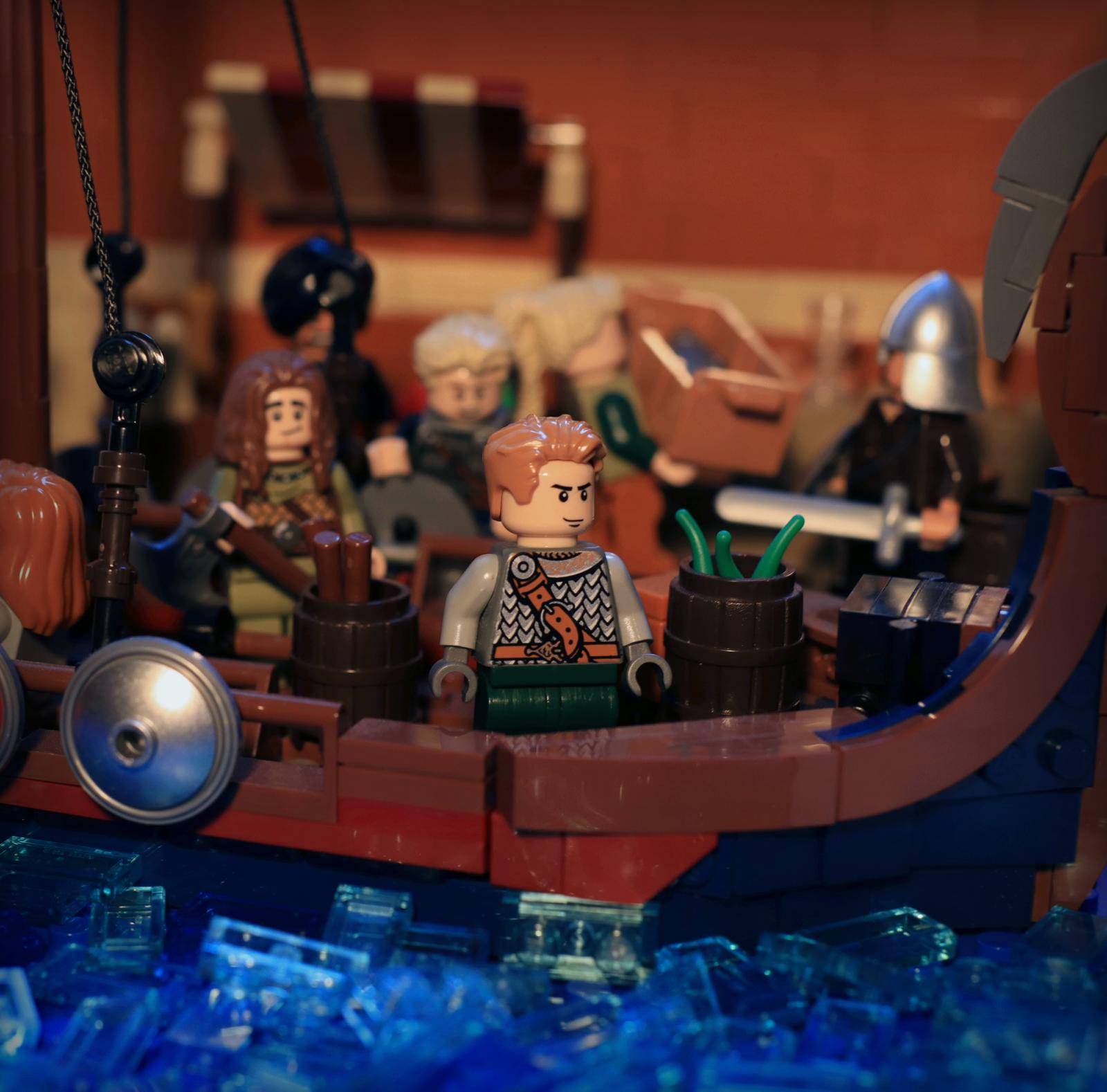
In the year 960, the Vikings arrive at Constantinople, the Great City that stands as a gateway between continents. For these Norse traders, this is more than just another stop along the route. It is a place where cultures meet, where wealth flows, and where new opportunities begin.
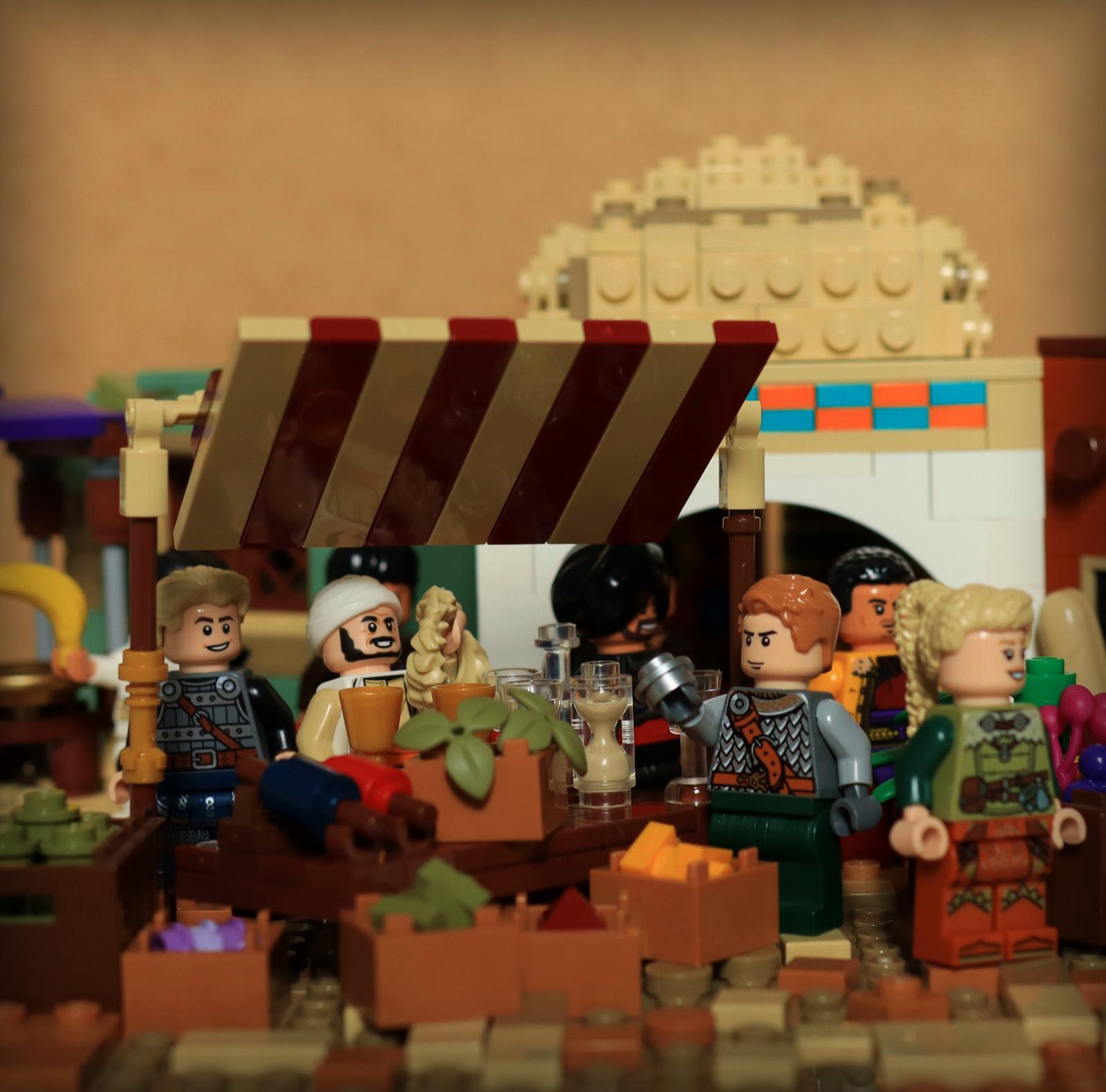
Farther east, the journey brings them to Samarkand, a city famed for its vibrant markets and constant movement. For the Norsemen, this stop is about more than trade. It is a chance to gather what they need for the road ahead. Supplies, tools, and small but essential items are carefully chosen. At the same time, they pick up stories, advice, and knowledge from those who have traveled these routes before.
The bazaar becomes a turning point, where preparation meets uncertainty, and where each decision may shape what lies ahead.
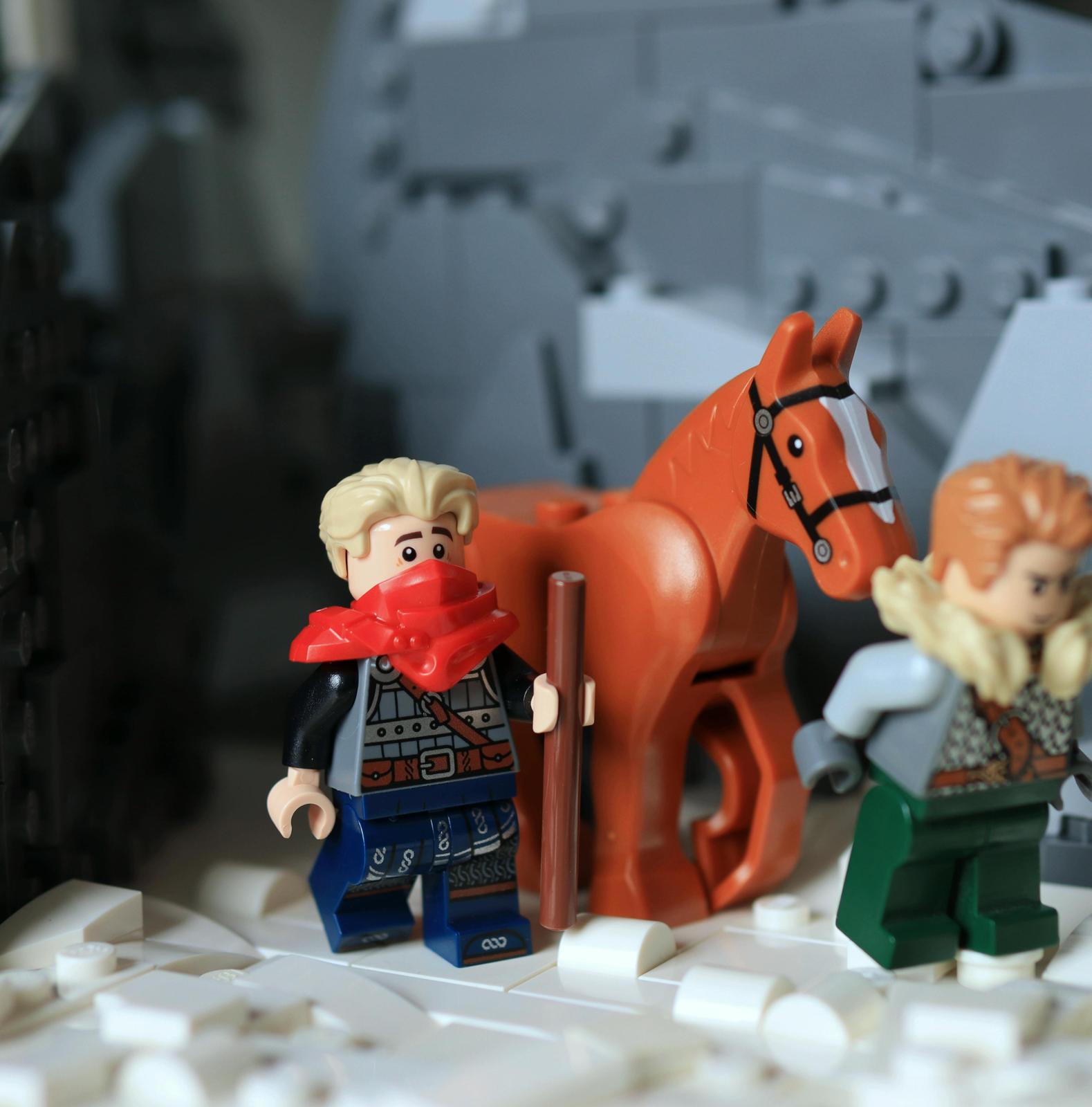
The path forward leads into harsh terrain. Steep mountain passes rise ahead, covered in snow and carved by narrow trails that leave little room for error. The air grows thinner, and each step becomes more demanding. Here, survival depends on cooperation. Progress is slow, but steady. The mountains test every soul. With the right gear and luck, the Norsemen press on through stone and storm.
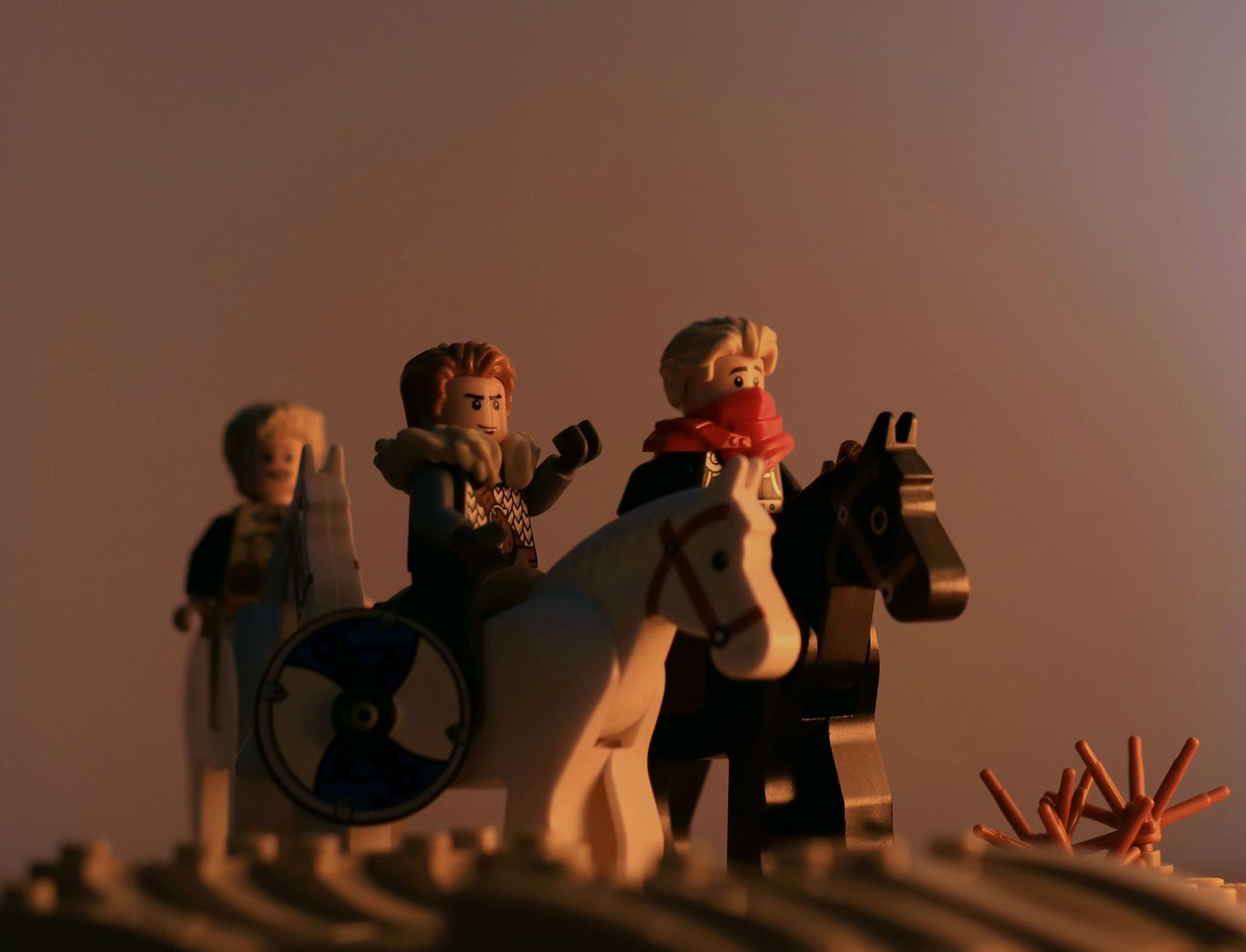
What ice didn’t take, the desert tries to claim. After the cold of the mountains, the journey shifts once again. The landscape opens into vast stretches of desert, where heat replaces ice as the greatest challenge. The ground is dry, the horizon distant, and the sense of isolation grows stronger with each step.
Travel here requires endurance and careful pacing. The Silk Road offers little mercy, but it is not without moments of relief. Occasional stops, whether small outposts or natural shelters, provide brief chances to rest and recover.
The desert becomes a different kind of trial, one that demands patience as much as strength.
High in the mountains, the Vikings come across a monastery. It stands quietly against the landscape, offering a rare sense of calm after the difficulties of the road.
Here, they are given more than shelter. There is time to pause, reflect, and regain strength. The stillness contrasts sharply with the constant movement of their journey, creating a moment where the purpose of their travels feels clearer.
Encounters like this add depth to the expedition. They remind the travelers that the road is not only about distance, but also about what is learned along the way.
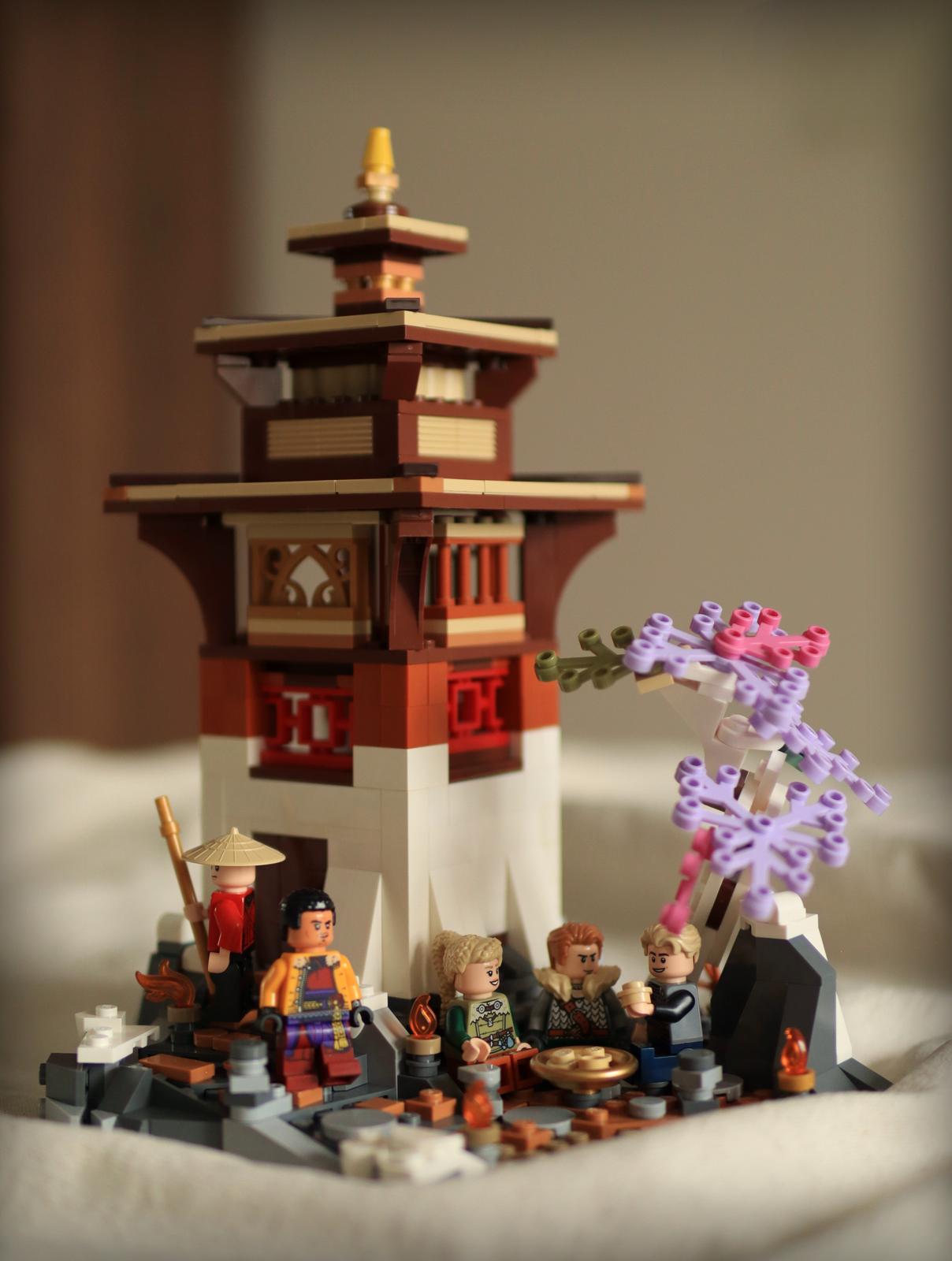
After crossing vast distances and facing countless challenges, the Vikings finally reach their destination in the far east. The journey has taken them through cities, mountains, deserts, and cultures far removed from their own.
Arrival does not mark an end, but a transition. Trade, exchange, and new experiences now take center stage. The goods they carry, and the knowledge they have gained, become part of something larger.
What began as a voyage for trade has become a story of endurance, adaptation, and discovery. And while the journey may pause here, its impact continues to unfold.